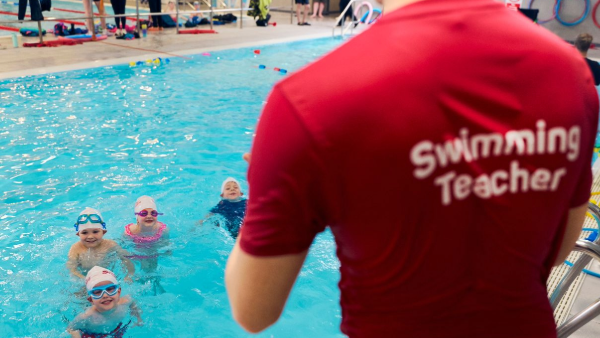
With the summer holidays just around the corner, families across the UK will be participating in activities in and around the water. Whether making a splash in an outdoor pool, enjoying beach holidays or kayaking on rivers and lakes, water-based pursuits are great for staying active and having fun.
While water can provide endless enjoyment, it comes with risks. Water safety is at the heart of every aquatic adventure and is a crucial skill to teach.
Why water safety matters
Accidental drowning remains one of the leading causes of preventable death worldwide. We know that education and awareness can make a huge difference.
By reinforcing key safety messages and empowering children and young people to make sensible decisions around water, we can help save lives.
Participating in Drowning Prevention Week
Drowning Prevention Week, organised annually by the Royal Life saving Society, began on the 13th of June.
The campaign's mission is to equip people with the skills, confidence and knowledge needed to reduce preventable drowning and near-drowning incidents.
We're incredibly fortunate to be surrounded by beautiful bodies of water around the UK, but it's vital that children and adults are aware of potential hazards in these environments.
Risks such as being cut off by the tide, dangerous currents and cold water shock can quickly turn a fun-filled day into a dangerous situation. Being aware of cold water shock is particularly vital in warmer weather, when the contrast between air and water temperatures can be dramatic.
How you can play a key role in saving lives
Every year, leisure centres and swimming teachers across the UK play a vital role in supporting Drowning Prevention Week. Swimming lessons provide the perfect opportunity to build awareness of water safety proficiency, alongside developing swimming skills.
Swimming teachers are uniquely placed to influence positive behaviours and help young people understand how to stay safe in the water. Through engaging water-based activities, important safety messages and life-long habits can be promoted.
Looking ahead to World Drowning Prevention Day
The focus on water safety continues with World Drowning Prevention Day on the 25th of July, offering the perfect opportunity to reinforce key skills learnt during Drowning Prevention Week. This year's key message, "find your float" aims to teach people how to float on their back during an emergency situation. This lifesaving skill is a great one to incorporate into this week's lessons, or indeed during any swimming lesson.
Practicing the float to live technique during lessons enables learners to hone a vital survival technique. Teach learners how to remain calm, lean back in the water, maintain steady breathing and use gentle movements to keep their position in the water. These skills can buy valuable time until help arrives or a swimmer can safely reach shore.
Alongside this, key messaging about the water safety code, which is promoted by the Royal Life Saving Society, can be discussed. The four elements of the code are:
- Stop and Think: Assess your surroundings, research water conditions and look for warning signs
- Stay Together: Swim with friends and family
- Float: Resist the urge to panic, lie on your back and focus on steady breathing
- Call 999: If someone else is in trouble, never enter the water to try to save them. Call the emergency services and wait for help to arrive.
Bringing water safety to life
Realistic scenarios and interactive activities are an effective way of teaching water safety. We recommend talking through different real-life scenarios, such as falling into cold water unexpectedly, or becoming separated from family at the beach. This gets children thinking about the best course of action to take and helps to prepare them for emergency situations.
Keep children motivated by introducing water safety team challenges, hazard-spotting games and emergency response role-play. Sharing water safety resources with parents is a great way to reinforce learning beyond the pool and encourages families to make water safety a part of everyday conversations.
Go beyond stroke development and help learners gain the confidence and knowledge they need to stay safe in the water. If you're looking for some last-minute inspiration for your swimming lessons, take a look at our water safety themed games blog.
Drowning Prevention Week is much more than just a week of activities. It's a campaign that strives to make water safety second nature to everyone, turning knowledge into lifesaving action.
Do you enjoy swimming in a natural environment? Our open water swimming courses could offer you an additional income stream if you're already a swimming teacher.
Whether you're starting from scratch or looking to upskill, view all of our aquatic courses here.